
Comune Morsasco
Useful information for your stay
via Matteotti, 10 - 15010 Morsasco (AL)
Tel. +39 (0144) 730.22
Fax: +39 (0144) 731.40
E-mail: demografici@comunemorsasco.it
https://www.comune.morsasco.al.it/it-it/home
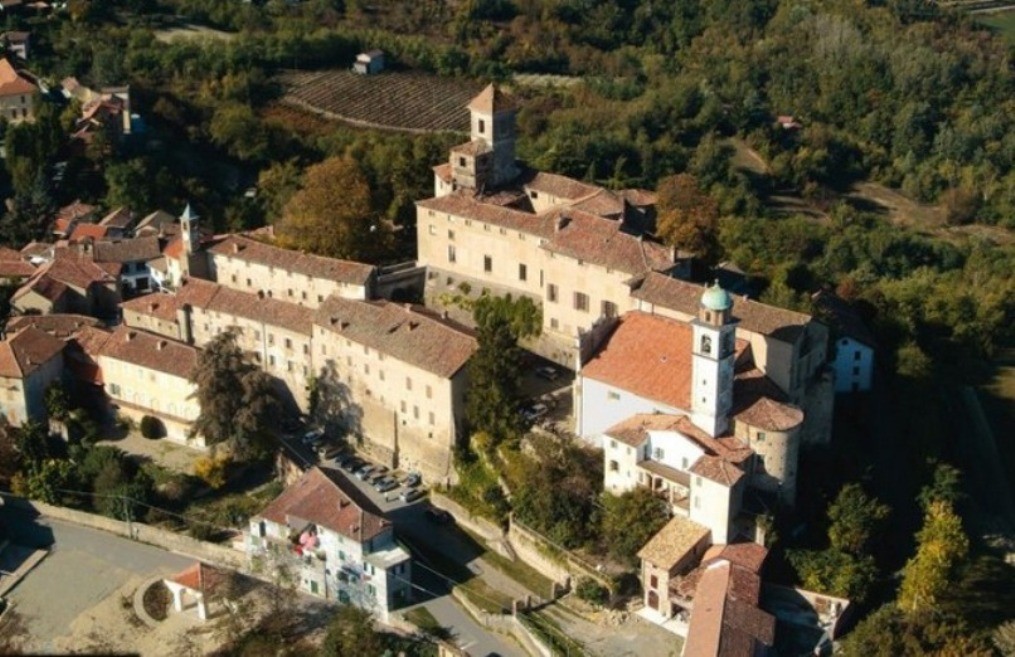
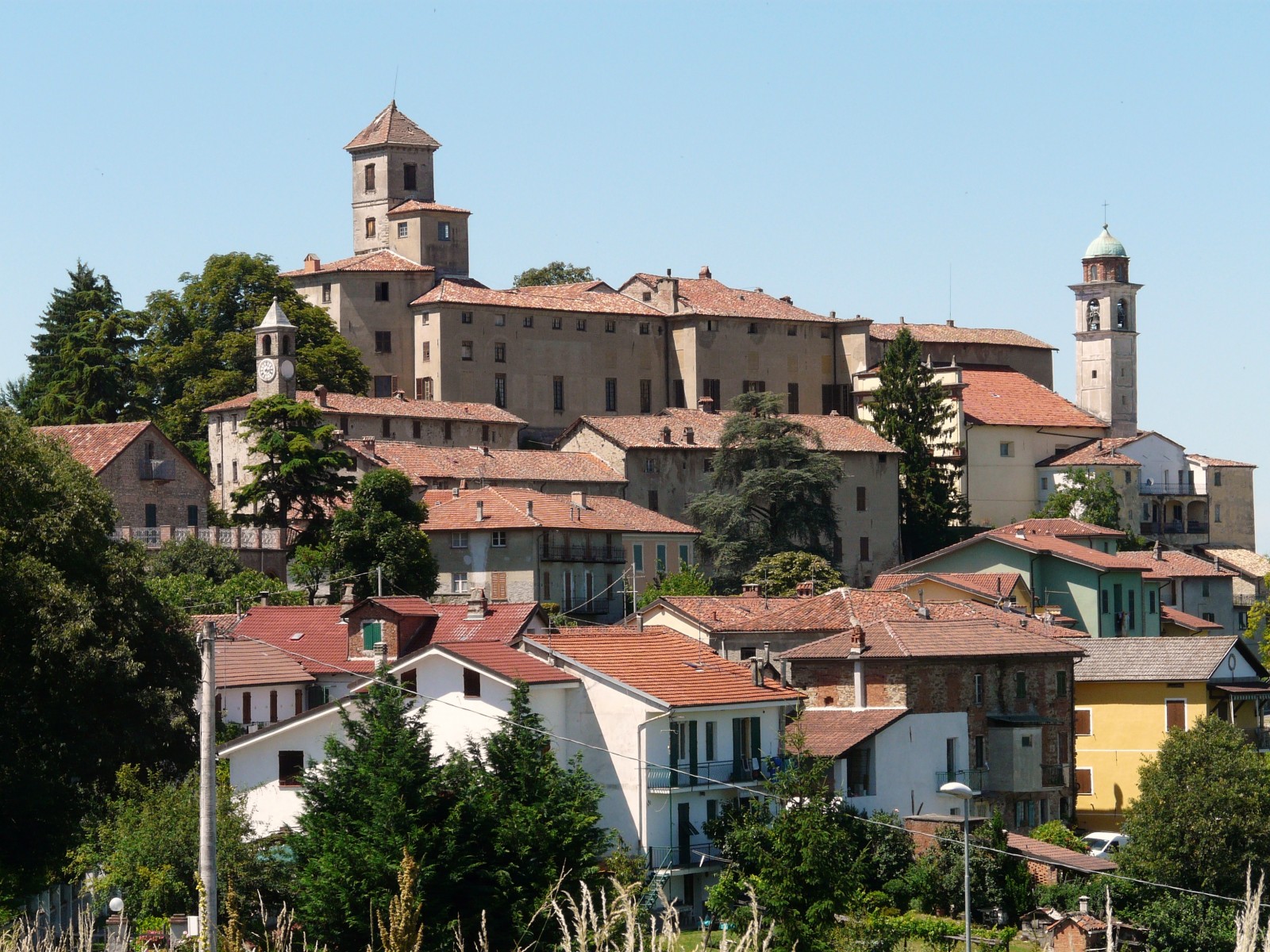
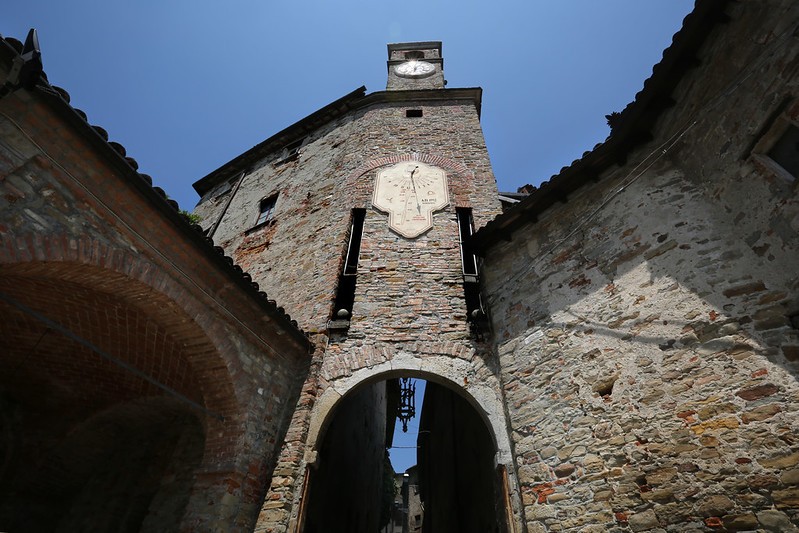
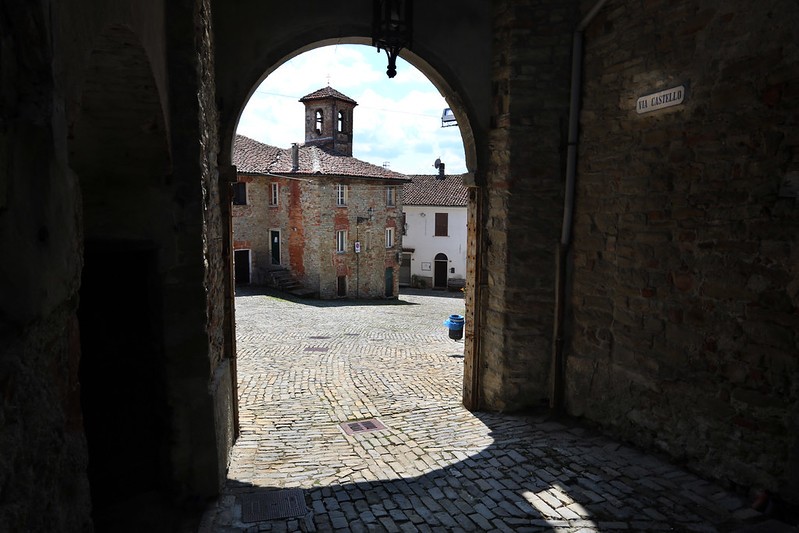
The village, situated halfway between Ovada and Acqui Terme, rises around the castle that is accessed along a narrow and steep lane that leads to a beautiful square overlooked by the parish church, the watch tower and the house known as "Del Boia". Above the gate that leads to the castle, there is a lovely bell tower dating from 1697. All around, you can enjoy a picturesque view of the hills, vineyards and charming little country churches.
Origin of the name - The name is mentioned for the first time in 1228 with the form of "Mirasaschus", whose etymology can be retraced to the personal name MAURICIUS. The presence of the "i" in the initial syllable is justified by the local custom that transforms the “ü” into this vowel present in the Piedmontese dialect. A variant is "Mursascus", dating to 1368 and showing the loss of the unstressed protonic vowel. The suffix is that of -ASCO, of Ligurian origin.
In prehistory, the area of Morsasco was inhabited by Liguri Statielli. They were conquered by the Romans after a long and bloody war in 172 B.C. With the fall of the Roman Empire, our lands suffered as a result of the barbarian invasions of the Goths, Visigoths, Ostrogoths, Huns, Burgundians, Lombards and Franks, forefathers of those Spanish, French and German troops who traveled through our town in subsequent centuries.
The first reliable reports of Morsasco date to 1224 and precisely to its donation by Marchesi del Bosco, together with other lands of Monferrato, to the Republic of Genoa. Morsasco passed from the Marchesi del Bosco to the Malaspina of Cremolino. Violante Malaspina, daughter and heir of the last Marquis in 1530, brought Morsasco as a dowry when she married Count Gio. Batta Lodron from Trentino, who was a colonel of emperor Charles V.
The Counts of Lodrone held the fiefdom until 1599, returning to the Ducal Chamber when the male line died out.
Vincenzo I Gonzaga, Duke of Monferrato, sold Barnaba Centurione Scotto of Genoa the fiefdom of Morsasco on 21 July 1599 with the title Marquis.
Our town follows the destiny of Monferrato until the advent of the House of Savoy in 1708, becoming part of the Kingdom of Sardinia first and later that of the Kingdom of Italy, and finally that of the Italian Republic until the present day.
Having passed the castle threshold, climb following the stone path to reach the 16th century Parish Church dedicated to San Bartolomeo with interior frescoes by the painter Pietro Ivaldi called
Il Muto.
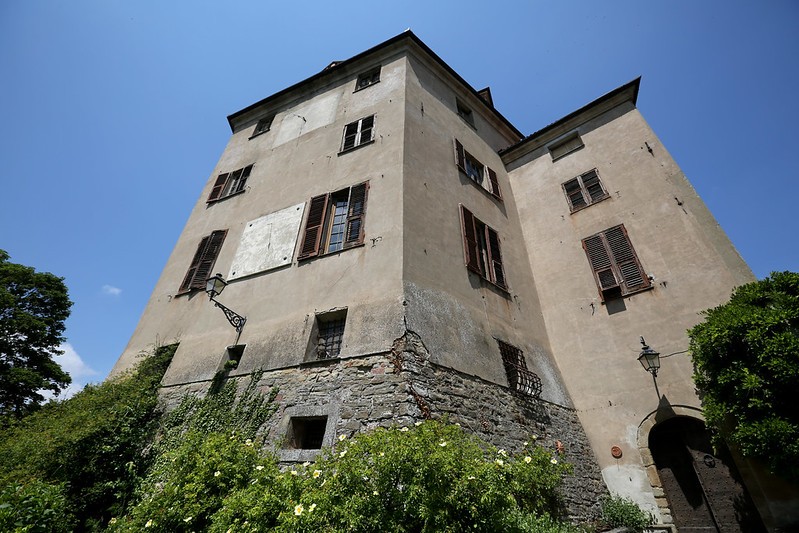
The Castle, a superb manor in a dominating position over Val Bormida, rises majestically above the houses of the ancient medieval fortification that is accessed by passing through a high gate, at the base of the bell tower, which still presents traces of the drawbridge.
The castle, mentioned since the 13th century, belonged to the Del Bosco family, the Malaspina, the Lodron, the Gonzaga, the Centurion Scotto and to the Pallavicino. Over the centuries, it has lost the military characteristics of the early days and is now a stately home with large halls and delightful rooms, result of the 18th century expansion. The stone fireplace of the New Hall commissioned by the Lodron in the early 16th century and the Court Tennis gallery (early 18th century) are both particularly beautiful. The interior chapel, built where there was once the well of the inner courtyard, is of the early 18th century and dedicated to Saint Catherine from Siena. The Church of San Vito, located slightly outside the town centre, is the oldest building in the area; it features a beautiful semi-circular apse.
The blue Big Bench* situated at Cascina Brichetto is also worth visiting.


- Home
-
-
- Events calendar
-
-
Areas of interestAccomodation
- Photographic Archive
-
-
-
-
Tourist information
