
Comune Orsara Bormida
Useful information for your stay
via Repubblica Argentina, 3 - 15010 Orsara Bormida (AL)
Tel. +39 (0144) 367.021
Fax: +39 (0144) 367.020
E-mail: info@comune.orsara.al.it
http://www.comune.orsara.al.it
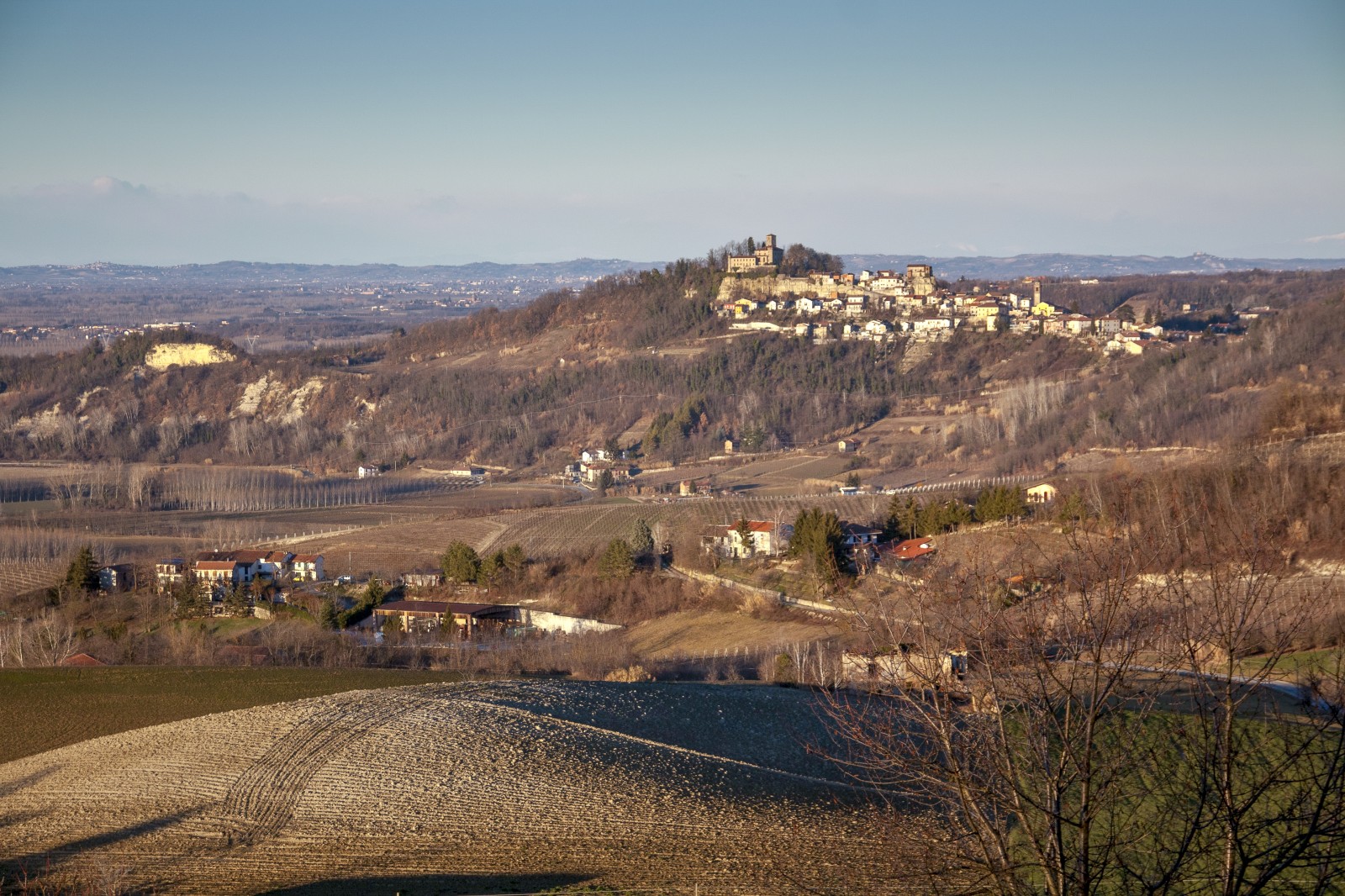
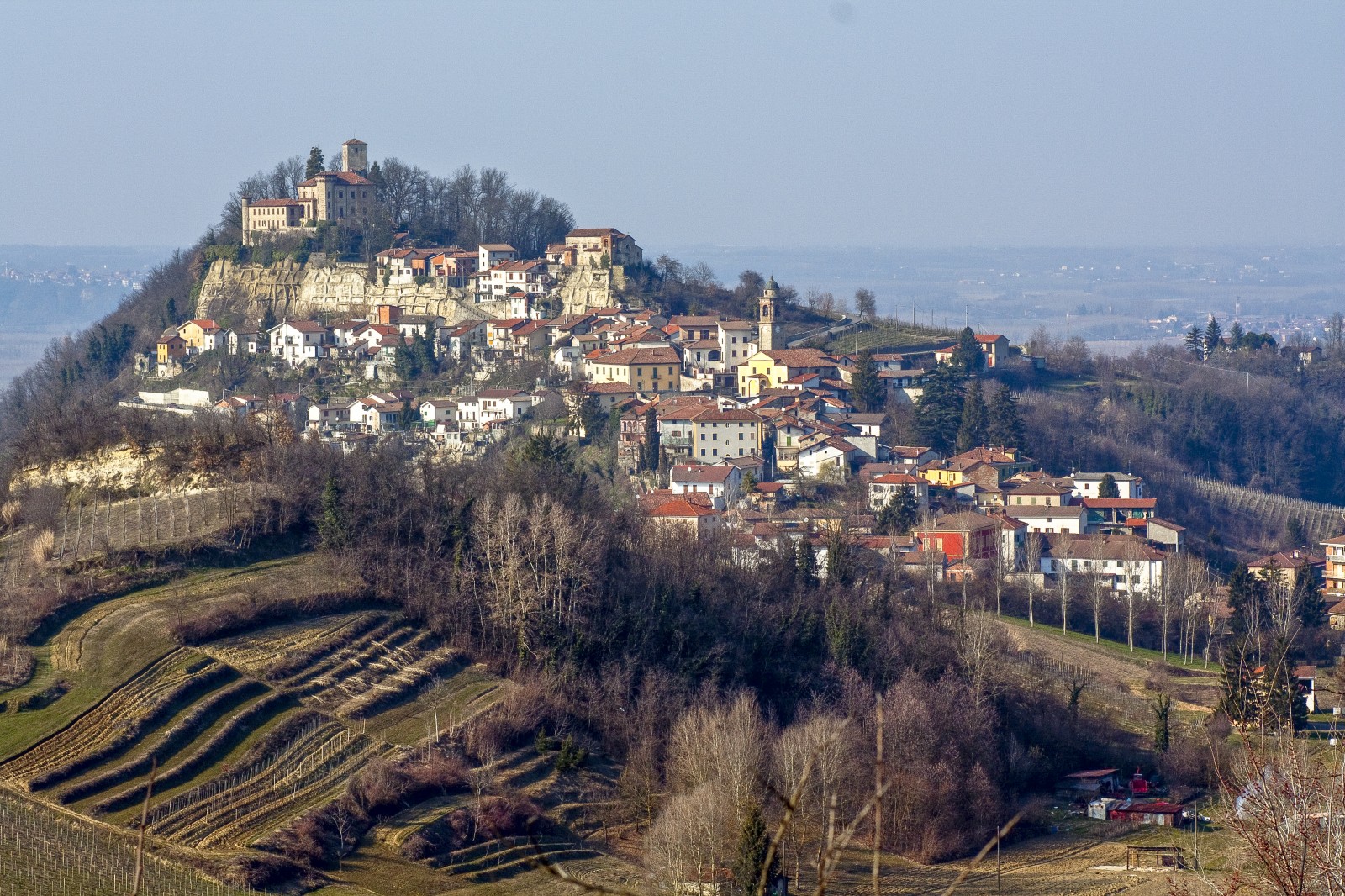
Nestled among the foothills of the Ligurian-Piedmont Apennines 220 meters above sea level, twelve kilometers from Acqui Terme, thirteen from Ovada and thirty from Alessandria. A document refers to the settlement of “Ursaria”; the name, probably derives from the presence of bears which populated this area in the distant past. Until the late Middle Ages, the surrounding area remained covered by forest: fields, meadows, vegetable gardens and vineyards appear from the 13th century.
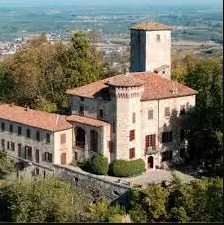
Certified as one of the oldest settlements of the Acqui area for its position on rocky outcrops to control and defend the area, mentioned in the document of Fondazione dell’Abbazia of San Quintino in 991 and in the imperial diploma of Arrigo I, the village of Orsara was incorporated into the marquisate of Monferrato and was fief of the Malaspina until 1533, then of the Lodrone till 1600, then of the Counts Ferrari who retained the investiture and, after feudalism, the ownership until 1922. It was deeply restructured with public works to improve collective living by the engineer Giuseppe Ferrari, mayor from 1896 to 1902. The castle, transformed from the initial watch tower to stately home, passed to the marquis Cesare Staglieno from Genoa in 1918, to the Capo from Argentina and, since 1951, to the Remondini from Genoa. From 1276 the village had a parish and a community organization. This, which had become independent in the 17th century to contain feudal power, leased its properties, such as the mill, bakery, slaughterhouse, tavern, barber shop, and forge; it organized the fair of San Martino for the sale of piglets; it established the ferry to cross the Bormida and the official wine measuring cup. Of the 2000 people, registered in the early Twentieth century and halved in the 1930s by emigration, just over 400 remain.
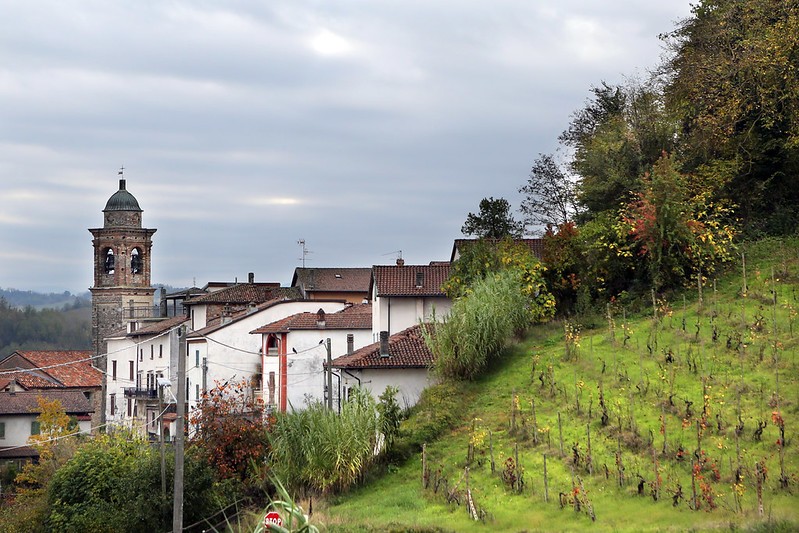
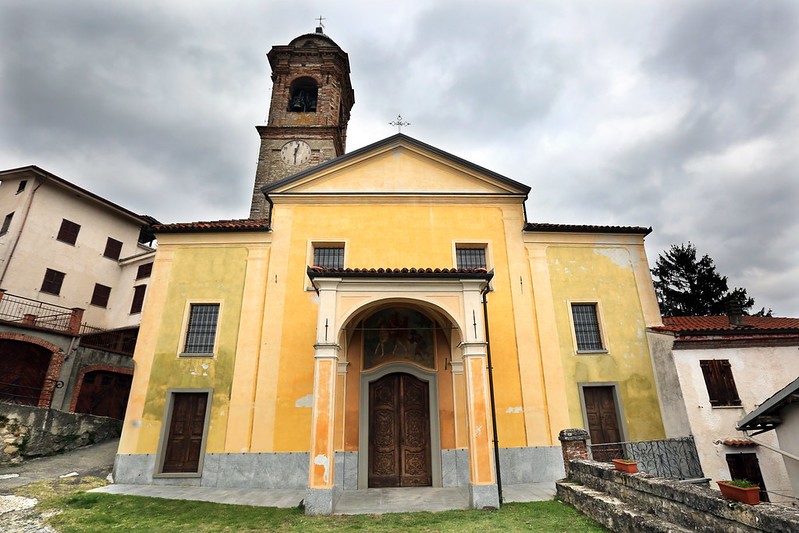
The Castle, the Ethnographic Museum of Rural Civilization which documents the historical and social-cultural identity of the village of the nineteenth and early twentieth centuries and the parish church of San Martino which conserves a beautiful canvas by Monevi remain.
(image taken from the municipal website)


- Home
-
-
- Events calendar
-
-
Areas of interestAccomodation
- Photographic Archive
-
-
-
-
Tourist information
