
Comune Strevi
Useful information for your stay
piazza Matteotti, 8 - 15019 Strevi (AL)
Tel. +39 (0144) 363.124
Fax: +39 (0144) 372.741
E-mail: anagrafe@comune.strevi.al.it
http://www.comune.strevi.al.it/
It is located at the heart of the Moscato lands renowned for the aromatic Moscato and Brachetto wines, consisting of two hamlets: one is low-lying, the other is on a hill.
Founded in ancient times, it was mentioned for the first time in a document of 991, in which Ottone III subjugated it to the archdiocese of Acqui. Legend has it that it resulted from the settlement of seven brothers who chose the area as an encampment and, after having drunk a large amount of local wine, decided to call it SEPTEM EBBRUM, due to their state of intoxication.
It becomes a municipality in 1259.
In 1799, upon the arrival of the French troops, the people of Strevi, captained by Dr. Fabrizio Porta, rose up and initially prevailed. However, at the subsequent attack of the French, the municipality capitulated, suffering looting and destruction. During the 18th century it became the property of the House of Savoy.
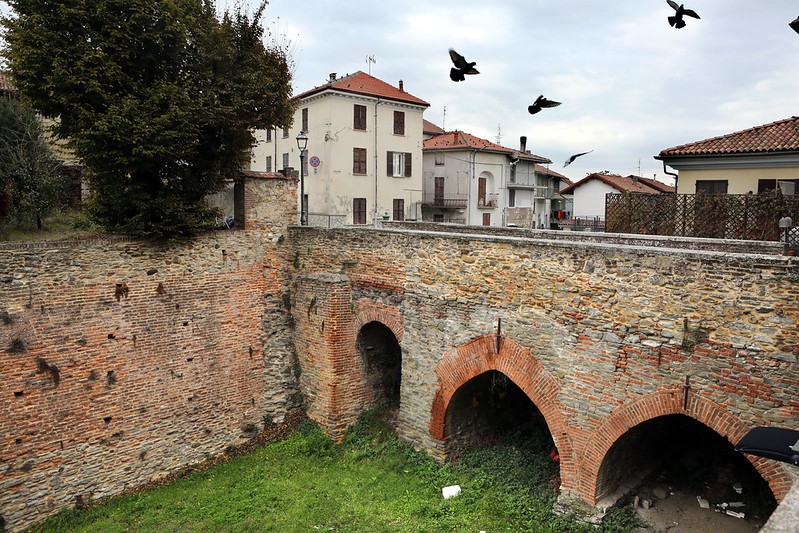
Today, the municipality of Strevi, which has recently obtained the nomination for inclusion by UNESCO among the territories of global significance, makes the castle available to visitors. Following some structural modifications over the centuries it still features the large staircase and the imposing fireplace of Counts Valperga. The fortifications which are visible today date to the 15th century; at the time, the community of Strevi lived predominantly inside the walls and was governed by the Castellano and by three Counselors.
The Castle, which has been repeatedly renovated over the centuries and is now home to the town hall and schools, shows traces of the medieval era, above all in the cellars, recently restored and used as museum-wine store, and in the base of a quadrangular tower dating to the 17tn century. The corridor on the ground floor gives access to the rooms of the first floor of the palazzo by means of a large renaissance staircase. The floor is home to the elegant Council Chamber which retains a monumental stone fireplace installed by Counts Valperga and bears their coat of arms. Originally, the Castle had four corner towers of which ruins remain on the north side.
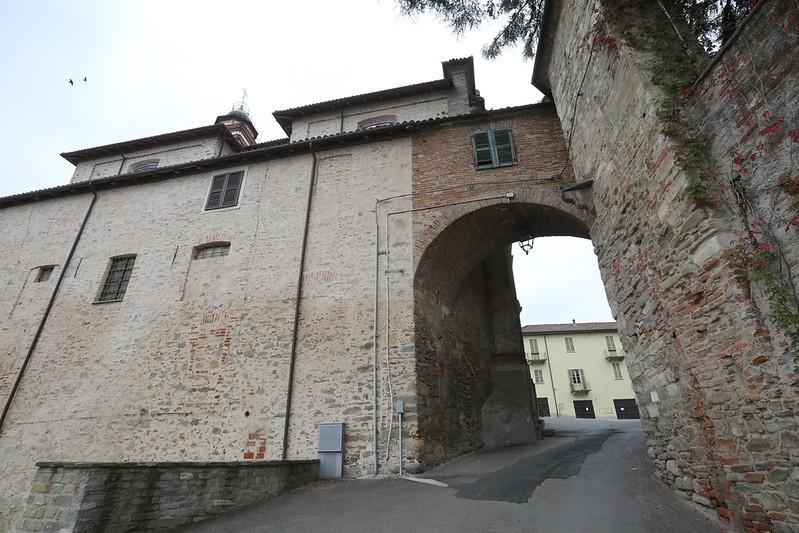
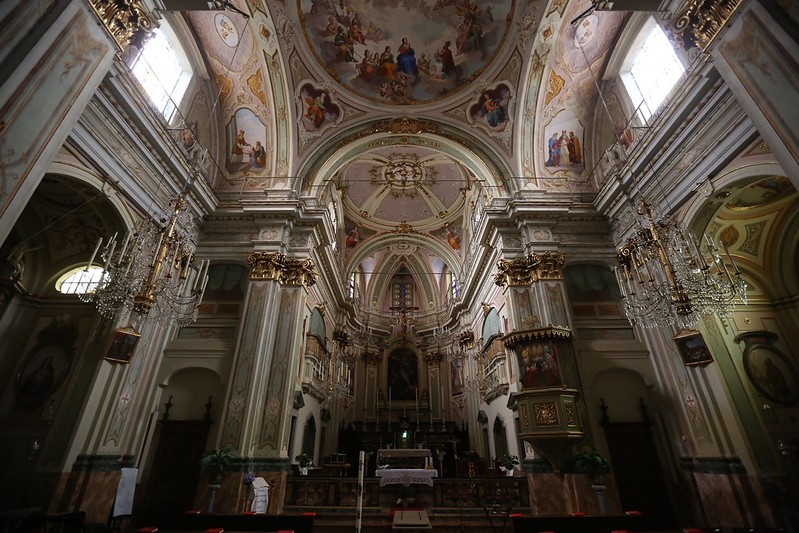
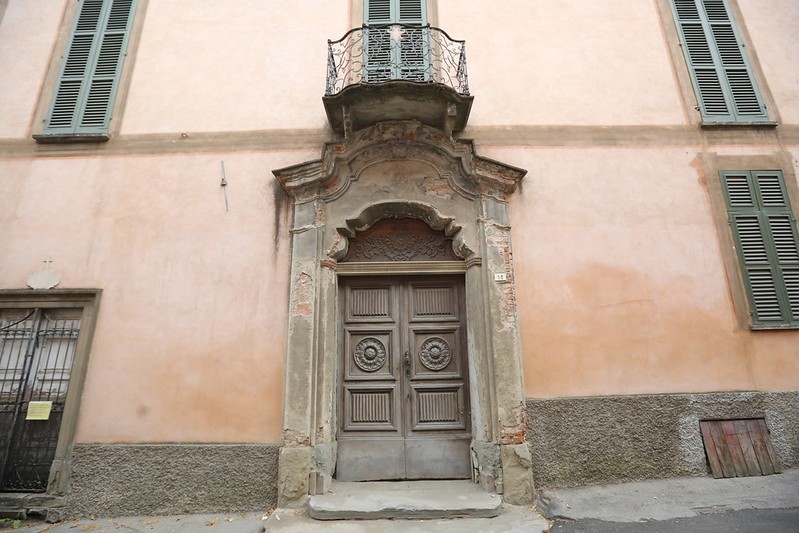
Worthy of note is also the parish church which features an apse on the inside which was built as a defensive bastion. Inside the church, renovated and embellished by the architect Caschi and by the painter Ivaldi of Ponzone (known as “il Muto”) is a magnificent reproduction of San Michele Arcangelo by Guido Reni. The lower village is home to a 16th century villa and the residence of the Bishop of Acqui dating to 1700.
Valle Bagnario also features the Moscato yellow Big Bench. Worth noting is the production of confectionery, nougat and amaretti cookies
(image taken from the municipality website)



- Home
-
-
- Events calendar
-
-
Areas of interestAccomodation
- Photographic Archive
-
-
-
-
Tourist information
