
Comune Fubine Monferrato
Useful information for your stay
via Pavaranza, 3 - 15043 Fubine Monferrato (AL)
Tel. +39 (0131) 778.121
Fax: +39 (0131) 778.700
E-mail: segreteria@comunedifubine.it
http://www.comunedifubine.it
https://www.fubinemonferrato.com/
The name Fubine appears to derive from "fibulinae" or "fibulae," meaning buckles, referring to a local artisanal activity.
The first settlement likely arose in the late Roman era (4th-5th centuries AD) on the valley floor, but the first official mention of it is contained in a diploma from 1041. During the Middle Ages and modern times, the village was involved in the events of the Lower Monferrato region, in the territorial disputes between the Marquises of Monferrato and the inhabitants of Alessandria, and, within a broader Italian and European context, between the French and the Spanish, which ended in 1708 with the annexation to the Savoy dominions.
The area's agricultural vocation has made it, throughout history, an important farming community, characterized by excellent winemaking. Indeed, linked to viticulture are the more than 50 officially registered "Infernot," cellars carved into the rock that became a UNESCO World Heritage Site in 2014. The one inside the Town Hall is worth a visit.
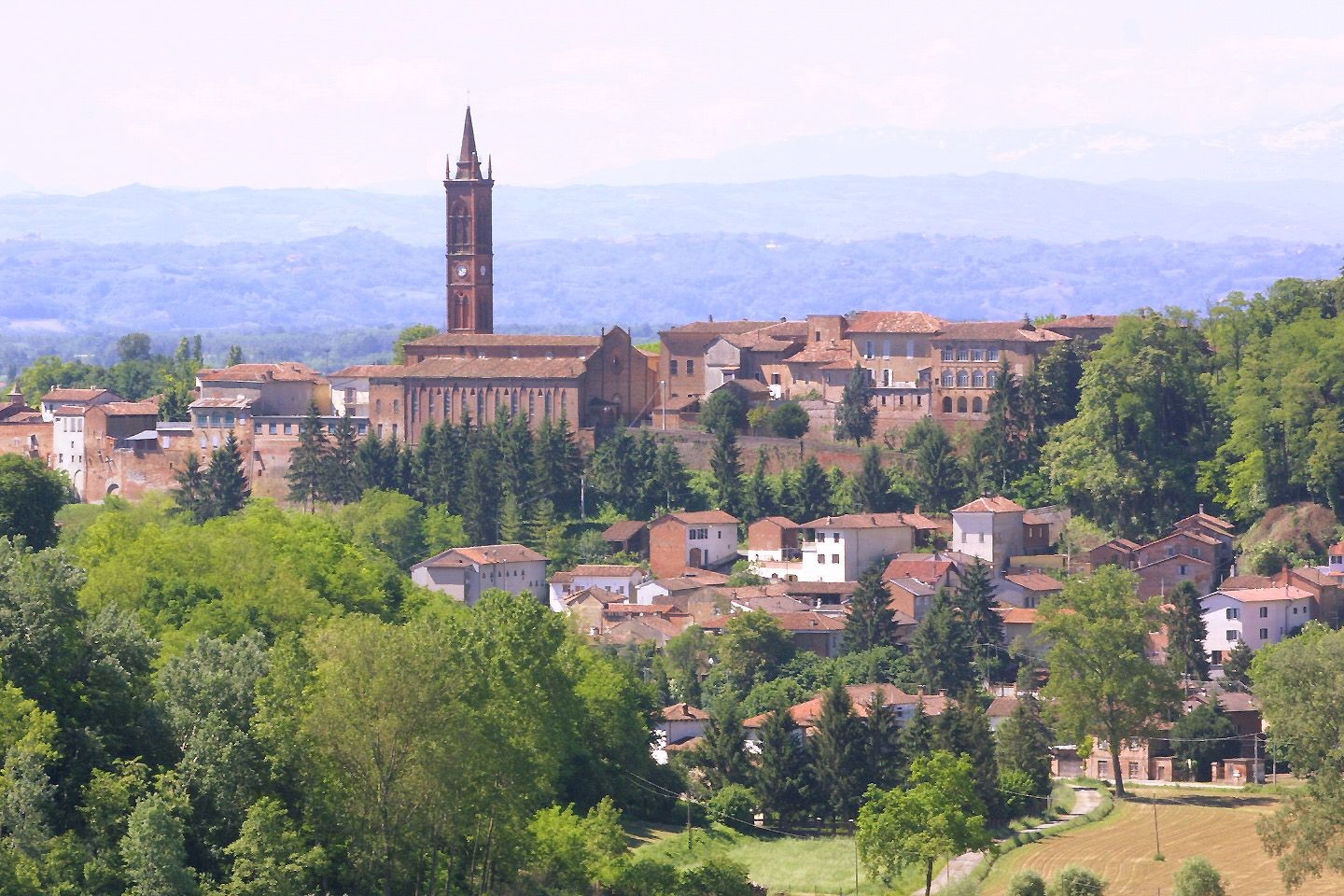
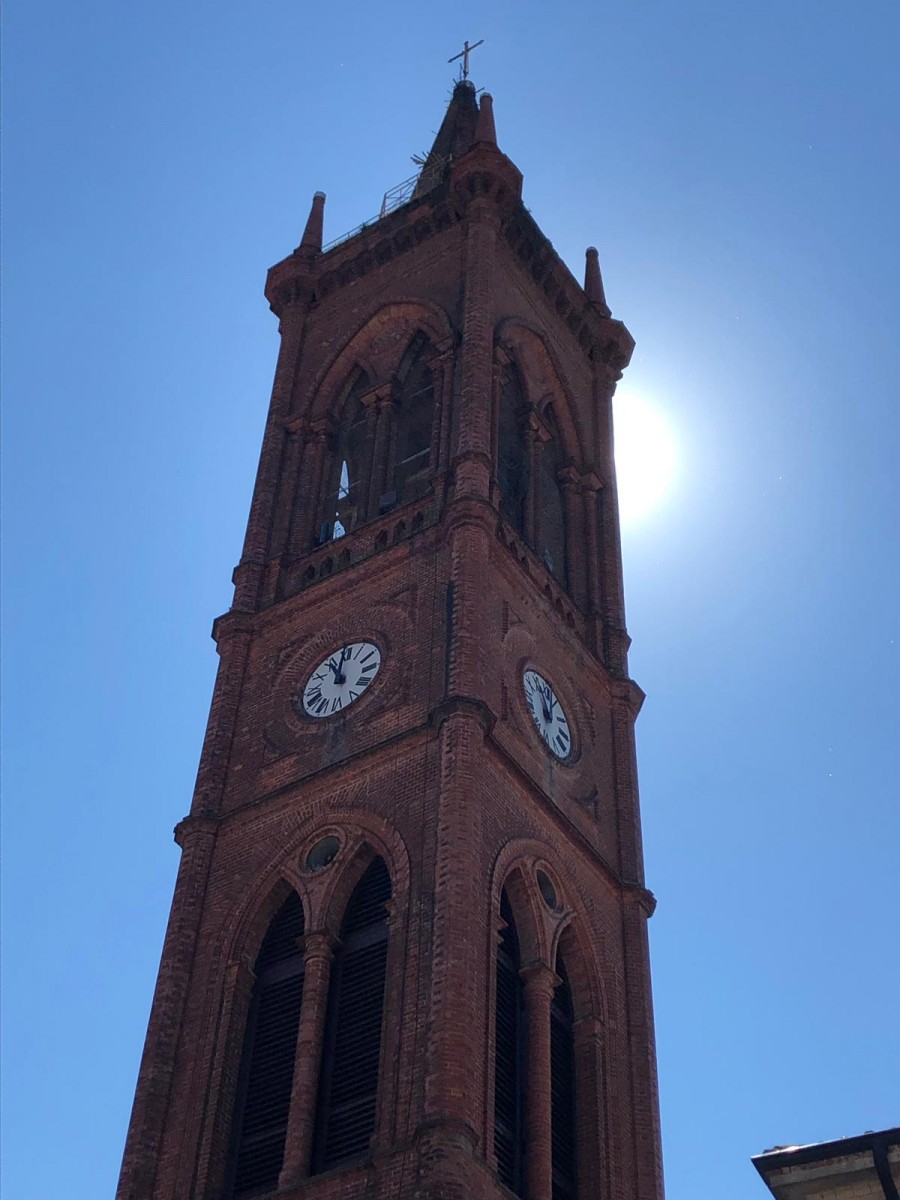
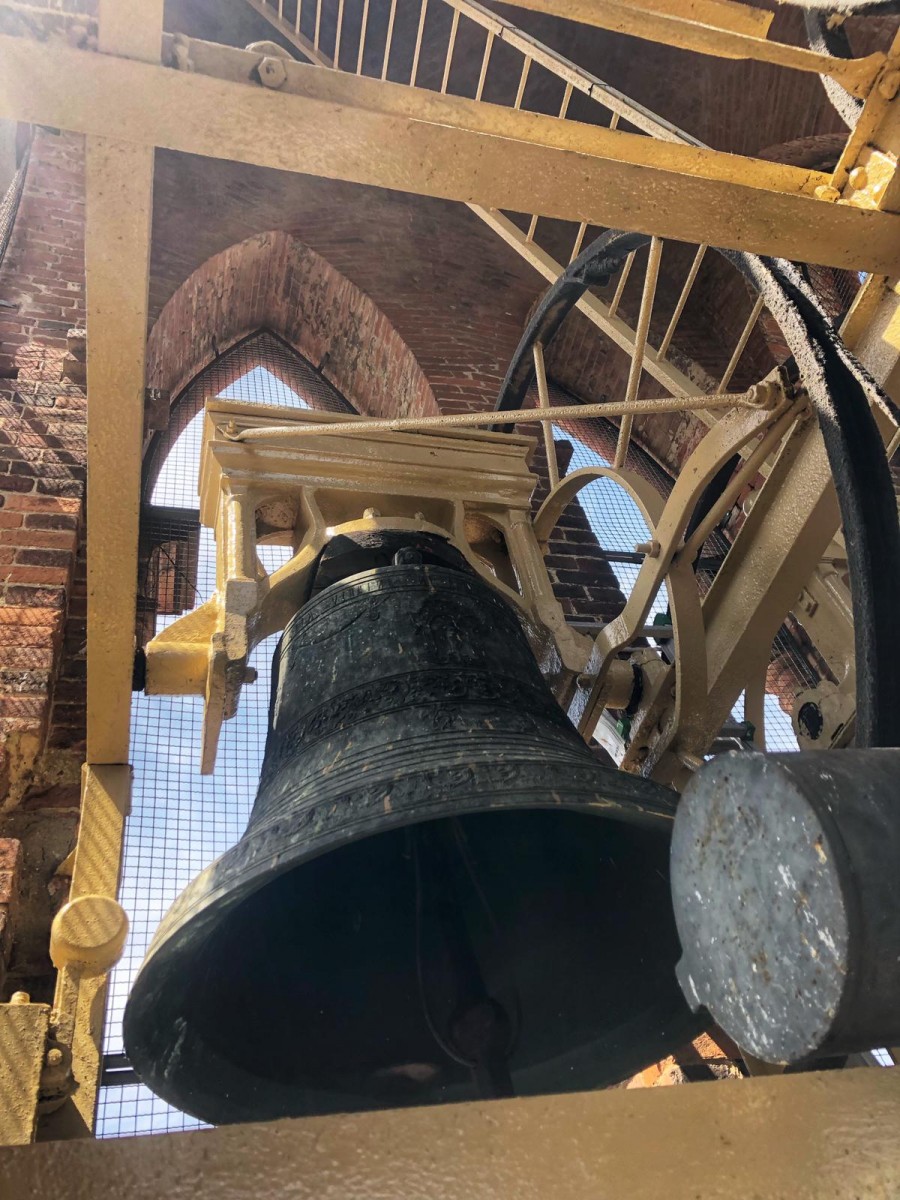
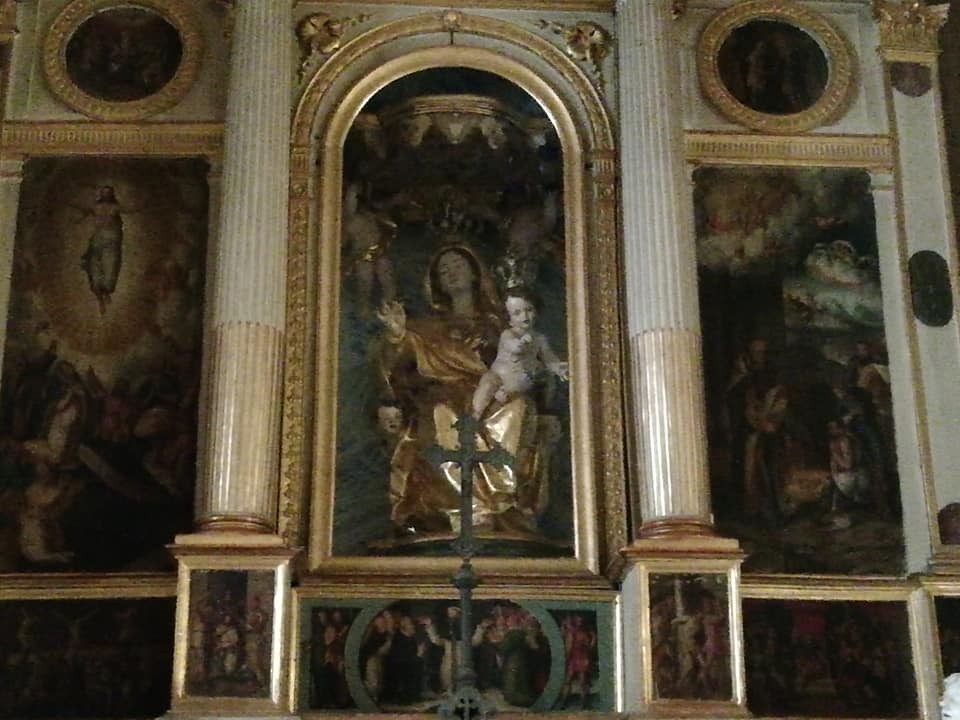
Among the monuments that stand out in Fubine's skyline is the Parish Church of the Assumption of the Blessed Virgin. Built, according to tradition, on the ruins of a Roman temple dedicated to the goddess Venus, the main body was erected in the 13th century. The original Romanesque bell tower remained intact until 1858, when, having become unsafe, it was demolished and replaced by the current neo-Gothic bell tower designed by architect Marchini of Turin. Standing 56 meters tall, it has become the town's symbol par excellence.
In the church square stand the town hall and Casa Pane, an 18th-century residence. Continuing, you reach Palazzo Bricherasio, a castle with an adjoining hanging garden, which offers a splendid view of the hills. Of particular historical and artistic significance is the sepulchral monument of Emanuele Cacherano di Bricherasio, created by the sculptor Leonardo Bistolfi.
The Batù church, now a theater, was built in 1620 as an oratory for a confraternity. It appears to have been placed to guard the village because it is located near the wooden drawbridge that provided access to the main gate of the fortified center.
Big Bench No. 133, known as "Meraviglia," was installed in a panoramic position.


- Home
-
-
- Events calendar
-
-
Areas of interestAccomodation
- Photographic Archive
-
-
-
-
Tourist information
