
Comune Alluvioni Piovera
Useful information for your stay
via Roma, 67 - 15040 Alluvioni Piovera (AL)
Tel. +39 (0131) 848.121
Fax: +39 (0131) 848.237
E-mail: protocollo@comune.alluvionipiovera.al.it
https://www.comune.alluvionipiovera.al.it/it-it/home
Born from the union of the municipalities of Alluvioni Cambiò and Piovera.
The territory of Alluvioni Cambiò extends to the confluence of the Tanaro and Po rivers, between the provinces of Alessandria and Pavia. The name of the capital town (formerly Alluvioni di Cambiò) and its hamlet, Grava (anciently given to the abandoned riverbeds, referring to the Celtic word "grava": gravelly area) inextricably links the history of this village to that of its waterways. The territory to the left, which extended to the Po, was called "Campus Minatus" (threatened); beyond the Po it was called "Campus Beatus" (blessed), from which Cambio, due to the intense traffic in the area, or Cambiò, due to the changes brought about by the waters. In the Middle Ages, this region was home to Sparvara, the outermost edge of the Diocese of Tortona. Some believe the town's origins are Late Roman, dating back to 276 AD, while others believe it to be Lombard, based on the origin of the name itself (Sparguara), which means "house of the commander." A floating port was the main transit route for commercial traffic.
The Po River posed a threat for centuries, abandoning its bed and disrupting the landscape and wiping out all forms of civilization. In 1716, a terrifying flood engulfed the town. The surviving inhabitants found refuge in a pre-existing settlement called "Vulgo Alluvioni" (later called Le Alluvioni di Cambiò) composed of eleven families. The memory of the tragedy would be crystallized in the name of this settlement, which soon expanded.
Among the most interesting places to visit are the Giovanni Taverna Plaster Cast Gallery (open by reservation) and the eighteenth-century Palazzo Bellingeri, in the hamlet of Grava.
As for the core of Piovera, its origins predate the collapse of the Roman Empire, when many of Rome's plebeians and former members of the imperial legions came here to increase the production of goods for the immense state and to guard the increasingly unsafe lands of the Empire.
In the Early Middle Ages, the town of "Plovara" experienced very difficult times: the area was the site of fierce disputes between invaders from beyond the Alps (the Lombards and Charlemagne's Franks), especially due to its proximity to the capital of the Kingdom of Italy, Pavia, which each faction attempted to besiege. Charlemagne conquered the city in 774, uniting the Lombard and Frankish kingdoms; he was responsible for restoring order to the kingdom's civil and military affairs, including the reorganization of the consular roads and the construction of defenses for the Plovara area.
Thus were born the "Castrum" of Piovera, those of Rivellino, Sale, and Castelnuovo, and the town developed around the fortress of Piovera; the surrounding walls, however, were never completed.
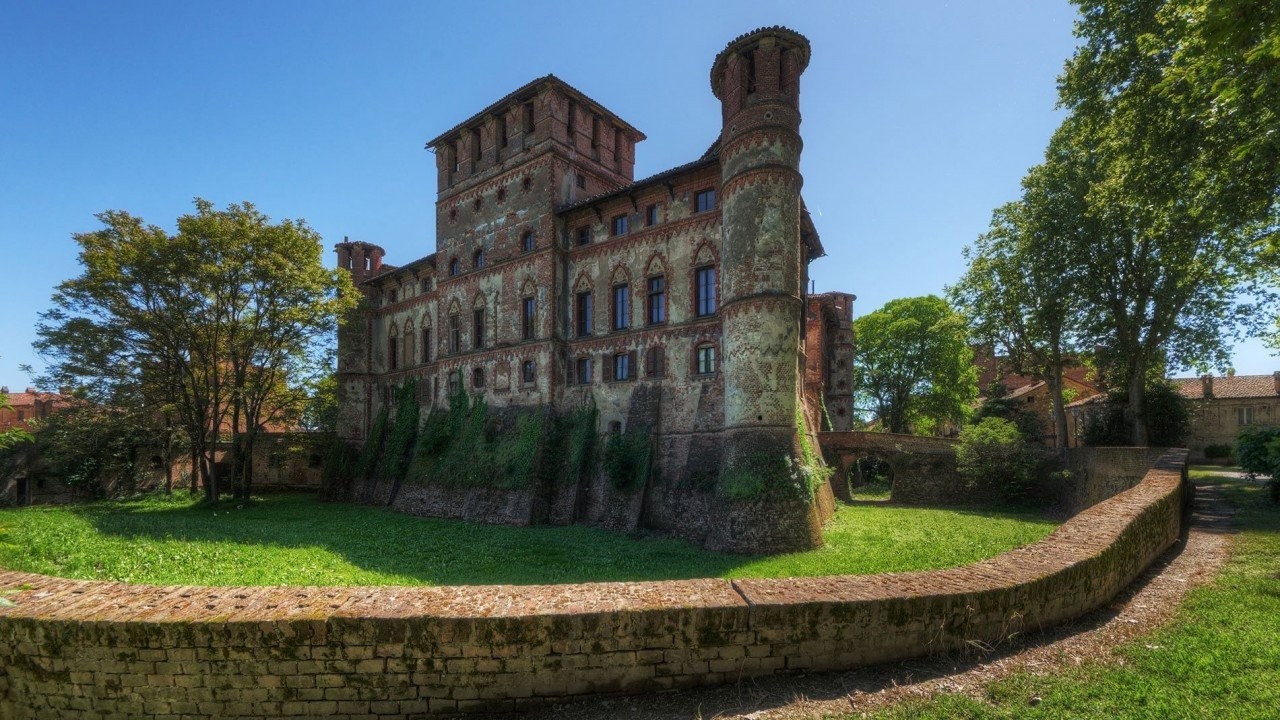
The castle of Piovera, along with that of Rivellino, was strengthened over the centuries, especially during the Duchy of Milan, and remained functional until the period of the establishment of the fiefdoms. It is the most interesting monument in the municipality and is definitely worth a visit.
Other monuments of interest include the ancient gateway to the medieval village of Piovera, transformed into a monumental arch commemorating the fallen of all wars in 1924-25; the parish church of San Michele, of Lombard origin but rebuilt in the 17th century; and the Oratory of the Confraternity of San Giovanni Battista, transformed into a hall for exhibitions and events.


- Home
-
-
- Events calendar
-
-
Areas of interestAccomodation
- Photographic Archive
-
-
-
-
Tourist information
