
Comune Spigno Monferrato
Useful information for your stay
piazza Garibaldi, 18 - 15018 Spigno Monferrato (AL)
Tel. +39 (0144) 911.55
Fax: +39 (0144) 912.44
E-mail: info@comune.spignomonferrato.al.it
https://www.comune.spignomonferrato.al.it/
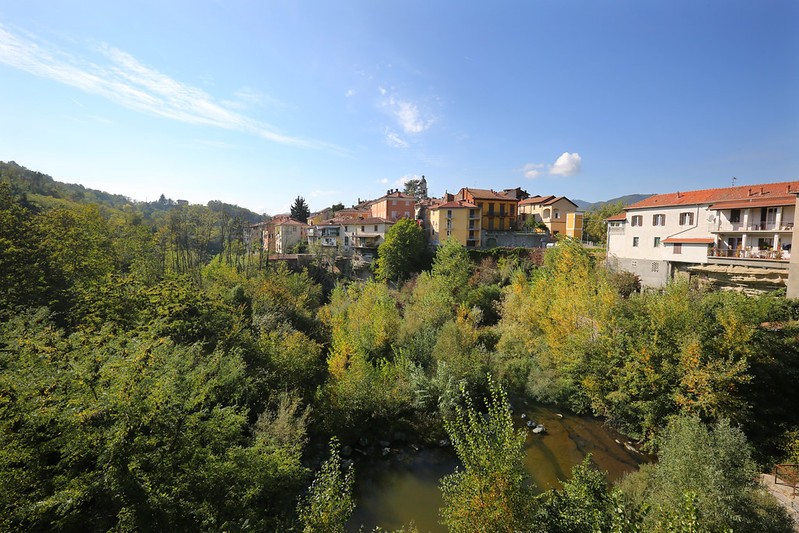
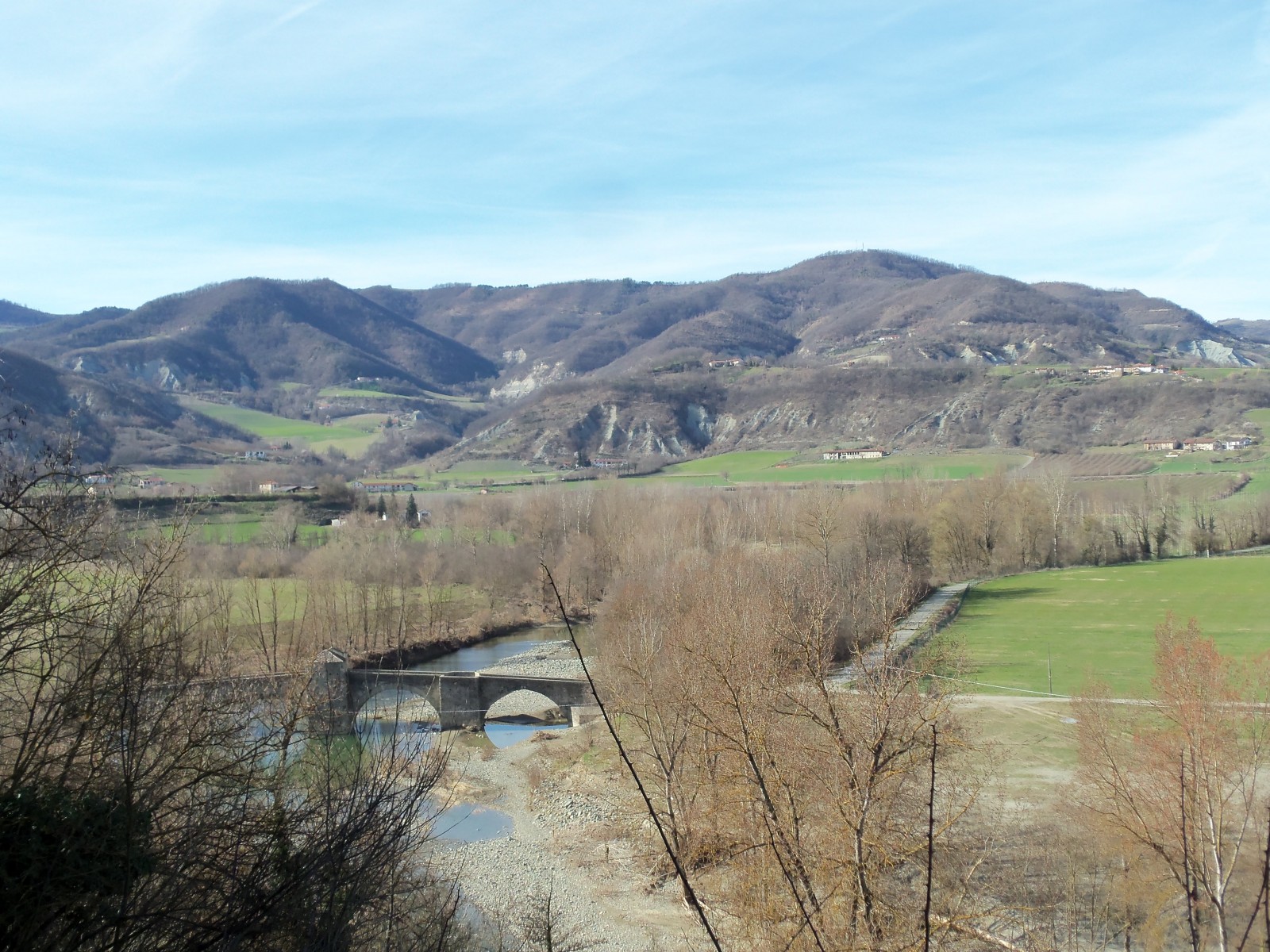
Set in a basin between marly hills at the confluence between the valla stream and the Bormida of Spigno, on a river terrace along the River Bormida. Characteristic town with a medieval layout, distinguished by narrow streets, archways and squares, it retains noble residences and sandstone portals, gathered around the fortified site of the castle, destroyed by the Spanish in the 17th century.
Already inhabited by the Liguri Statielli, it experienced a period of prosperity during the Roman Age. The ancient Via Aemilia Scauri passed through here and connected Aquae Statiellae (now Acqui Terme) with Vada Sabatia (Vado Ligure) and this is also the area where the key monastic site of South Monferrato, the Abbey of San Quintino, was founded in the early Middle Ages. The first news regarding its settlement dates to 991, when it was a fiefdom of the Aleramici family. In 1290, it became part of the municipality of Genoa, and in 1427 it became property of the Visconti, upon decision of Charles IV.
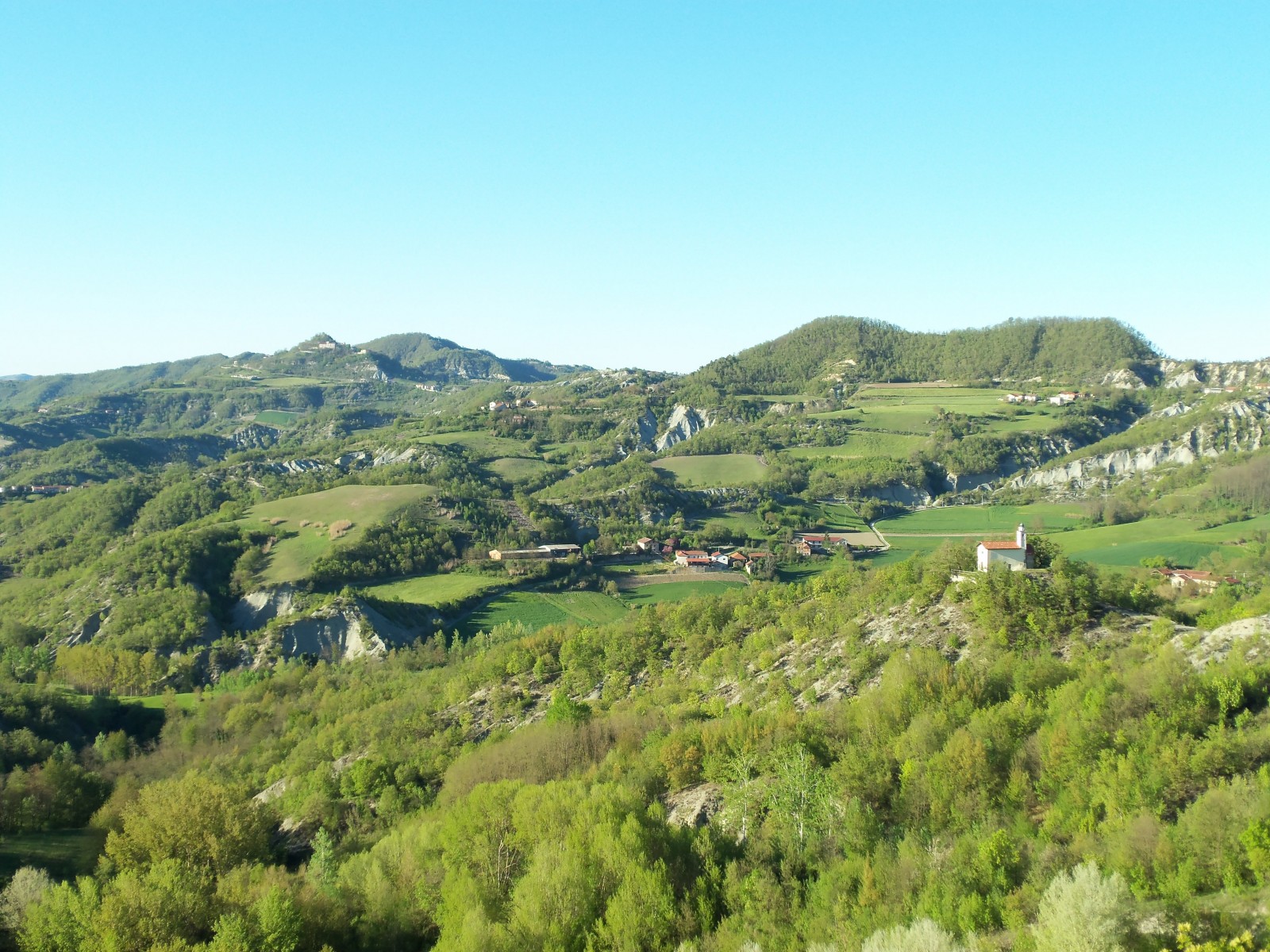
Spigno is full of hamlets, small authentic villages, fascinating rural centers, which keep the flavors of the rural tradition intact, featuring parish churches, oratory, cemetery, and small group of stone houses. Turpino is a small jewel set among the landscape of the gullies, a very interesting natural area. Rocchetta, with the remains of a strong fortification almost hidden by the tufo gullies, is on the road which leads to Serole and to Langa Astigiana. Squaneto, situated in a lovely position among the meadows and the fords of the valley, conserves a marble statue of the Madonna attributed to Bernini, but of Genose school, in the church. Montaldo presents a lovely series of sacred buildings of baroque rustic style and a picturesque view of the woods and gullies between Monferrato and the Apennines.
To visit: Abbey of San Quintino (outside), the parish church of Sant’Ambrogio, large church with a striped façade in Ligurian style stands in striking isolation, it is accessed through a beautifully-crafted sixteenth-century arch. The late Renaissance Oratory preserves
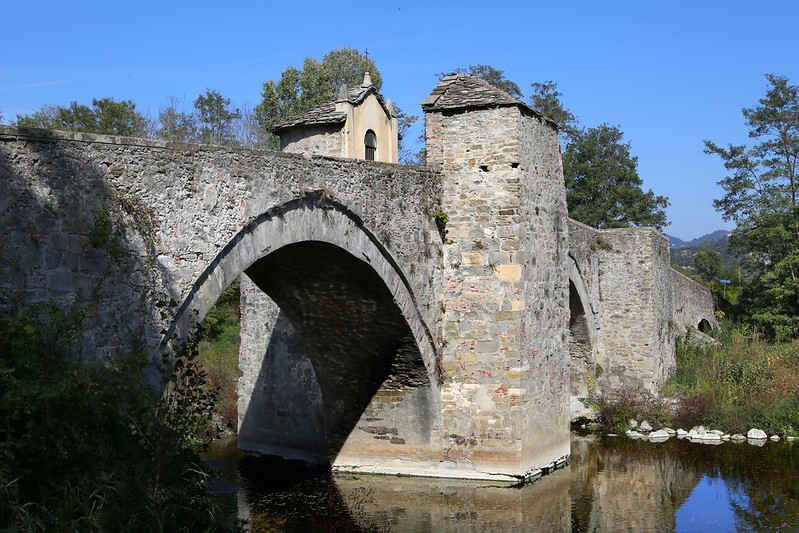
a beautiful collection of paintings from the convents of Spigno; the Church of Our Lady of Casato, which stands along the road towards Merana, retains important late Gothic frescoes of the Maestro from Roccaverano; the thirteenth-century humpback bridge, which was the evocative setting of famous scenes from the film “il diavolo al Pontelungo”.
Curiosities: Spigno is one of the last villages of the Bormida Valley where the local sport called 'pallapugno' is still played. In 2024, the village officially enters the national network of Witch Cities. This is an important step on the journey to enhance the historic memory connected to the witch trial of 1631, which involved fourteen women of the area, and inserts itself into a wider reflection on the culture, identity and landscape of the inland areas.
For further information visit the municipal website of Spigno Monferrato



- Home
-
-
- Events calendar
-
-
Areas of interestAccomodation
- Photographic Archive
-
-
-
-
Tourist information
