
Comune Rivalta Bormida
Useful information for your stay
via Vittorio Emanuele II - 15010 Rivalta Bormida (AL)
Tel. +39 (0144) 372.163
Fax: +39 (0144) 372.644
E-mail: info@comune.rivalta.al.it
http://www.comune.rivalta.al.it/
Website:
www.comune.rivalta.al.it/
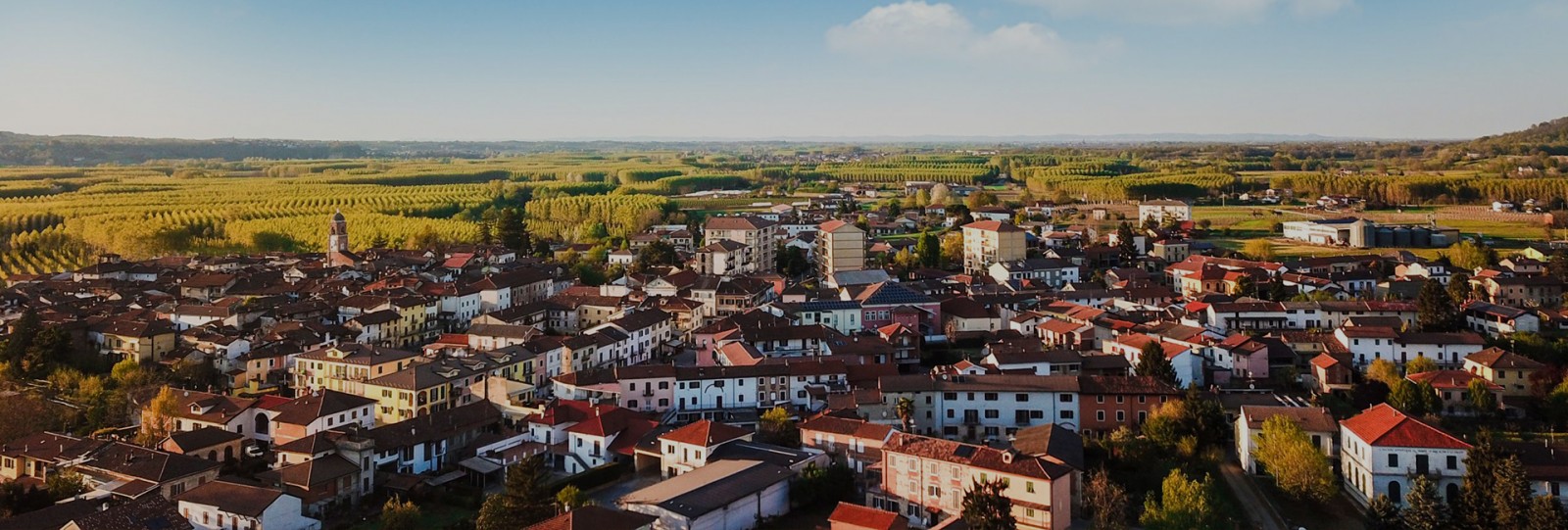
Town with an orderly urban design, situated in the lower Bormida valley, to the right of the river, formed by a settlement which rises on a fluvial terrace and by several hamlets located in the hilly area.
The significant fertility of its territory suggests that it was already inhabited in prehistoric times but the first traces of life discovered date to the period which goes from the Roman conquest to Late Antiquity.
1216 - Rivalta Bormida constitutes itself as “Libero Comune “ (free municipality)
1331 - It voluntarily submits to the Marquisate of Monferrato
1487 - Following numerous sales and purchase, the territory falls into the hands of the marquises of Maranzana.
From 1331 to 1708 - it acts as a border fortress between the Marquisate of Monferrato and that of Milan.
In the Marquisate of Aleramo, it was held as a sub-fief by the Monferrato family from Pietro Tibaldeschi (5 April 1477), Pietrine Bobba (27 March 1489), Costantino Comneno, Prince of Tessaglia (24 February 1492), Marcantonio Arborio di Gattinara (14 March 1521), who left it to his daughter Elisa di Lignana - Gattinara signora di Settimo (25 July 1529). Fabrizio, her grandson, was invested with the committee (9 April 1637); Barbara, the daughter, handed it down to her sons Giovanni Battista and Mercurino di Sannazzaro (13 July 1679), whose descendants sold the fief to Ottavio Giacomo Ghilini, Marquis of Maranzana (2 May 1680).
1797 – Loss of the fief by the marquises of Maranzana due to extinction of the feudal rights
The name would result, as documented in 985 and 1191, from Ripalta vallis Burmida namely village elevated above the bed of the River Bormida.
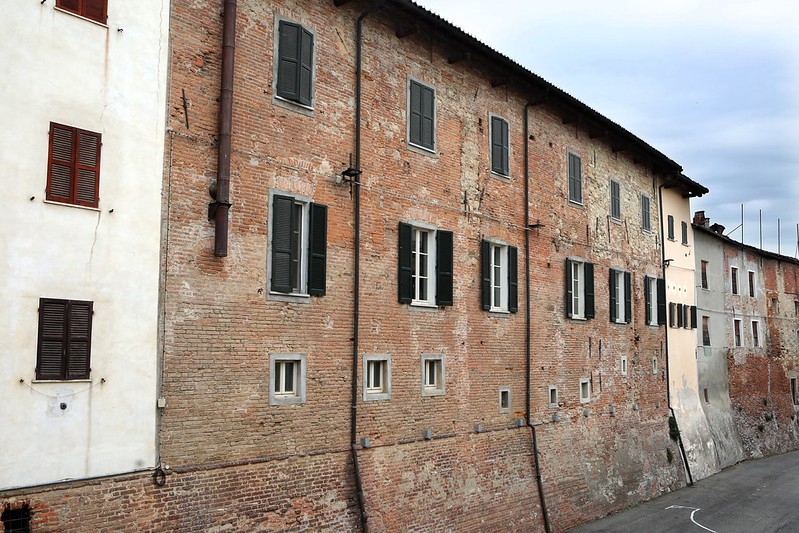
One of the monuments of greatest interest is the quadrangular Castle of the 14th century with the ancient walls originally bordered by four corner towers to defend the entrance doors. Only a few ruins of the towers remain.
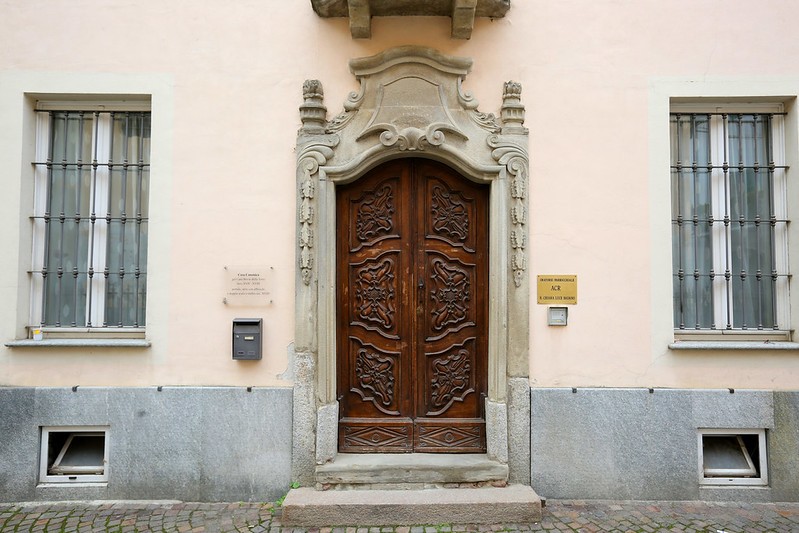
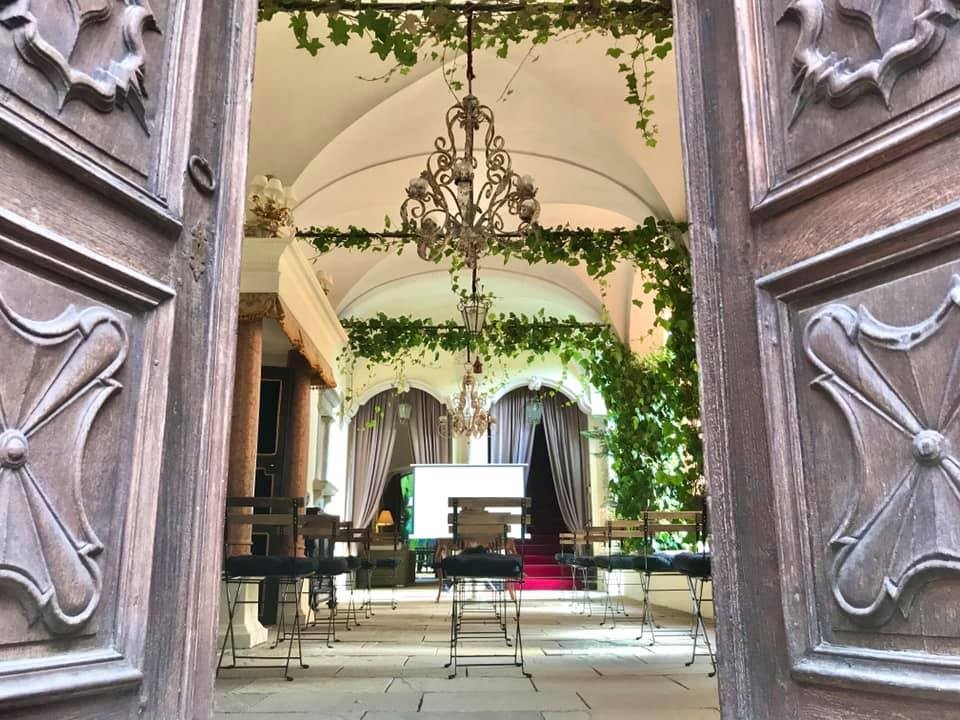
The buildings worth visiting include: the parish house Bovio della Torre; Palazzo Lignana of the 16th/18th century ancient home of the feudal lords of Rivalta, now home to the Jewish culture center of Monferrato, Palazzo Bruni, ancient property of the Torre family, secretaries of the marquis of Monferrato, today municipal property. This building has been recently restored and is situated at the entrance to the historic center, it is on three floors and covers a surface area of 1300 m2; inside, it features grotesques from the 18th/19th century and exquisite stucco work in the vaults of the staircases and of several rooms. The ancient cellar is home to an old wine press which bears witness to the past history connected with wine production.
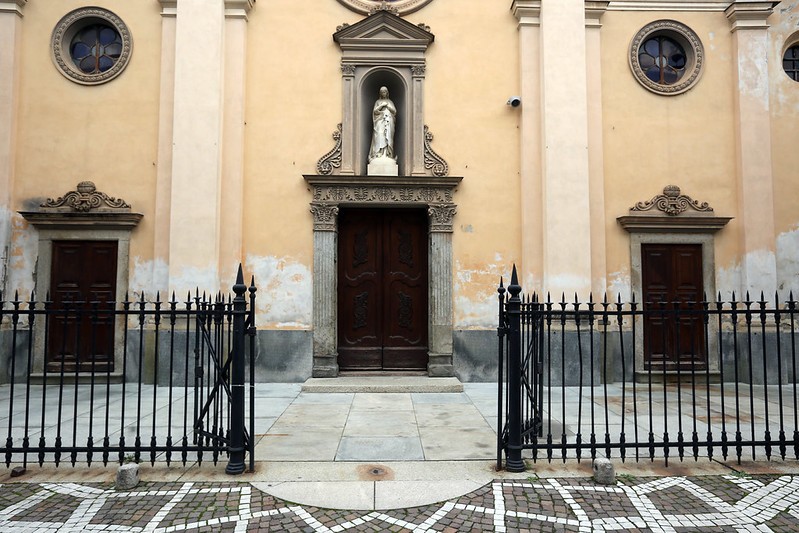
Worth visiting are also the parish church of San Michele Arcangelo in Romanesque Gothic style of the 13th century; following various renovations it presents a baroque structure with the particular door in sandstone, the bell tower of the late medieval period in exposed brickwork and inside renaissance capitals from the Casale school. The history of Rivalta speaks to us of a church with the same name as that mentioned in a document of 1158 issued by Pope Adrian IV, in which among the assets of the diocese of Acqui there was the Church of San Michele of Rivalta built on the banks of the Bormida. Given that it was built before the construction of the castrum it is thought that it was initially the parish church of the small settlements scattered around the countryside until the 13th /14th century; later, it became the cemetery and country church until its structural decadence which led to its total disappearance.
Rivalta has a distinctive grid pattern with perpendicular streets, in ancient times it was divided into various districts which represented the areas owned by several local families in the Middle Ages. The family names were later replaced by terminologies which characterized the various districts: for example, the district of the castle, of Santo Spirito, of the well, of the parish priest, etc. Some historical documents also include the district of the bakery, located next to the old town hall and to the municipal oven and from the 18th century the district outside the walls, formed by farmhouses located around the convent of the Dominican fathers.
(Images taken from the web Credits Cantina Sociale of Rivalta Bormida)


- Home
-
-
- Events calendar
-
-
Areas of interestAccomodation
- Photographic Archive
-
-
-
-
Tourist information
