
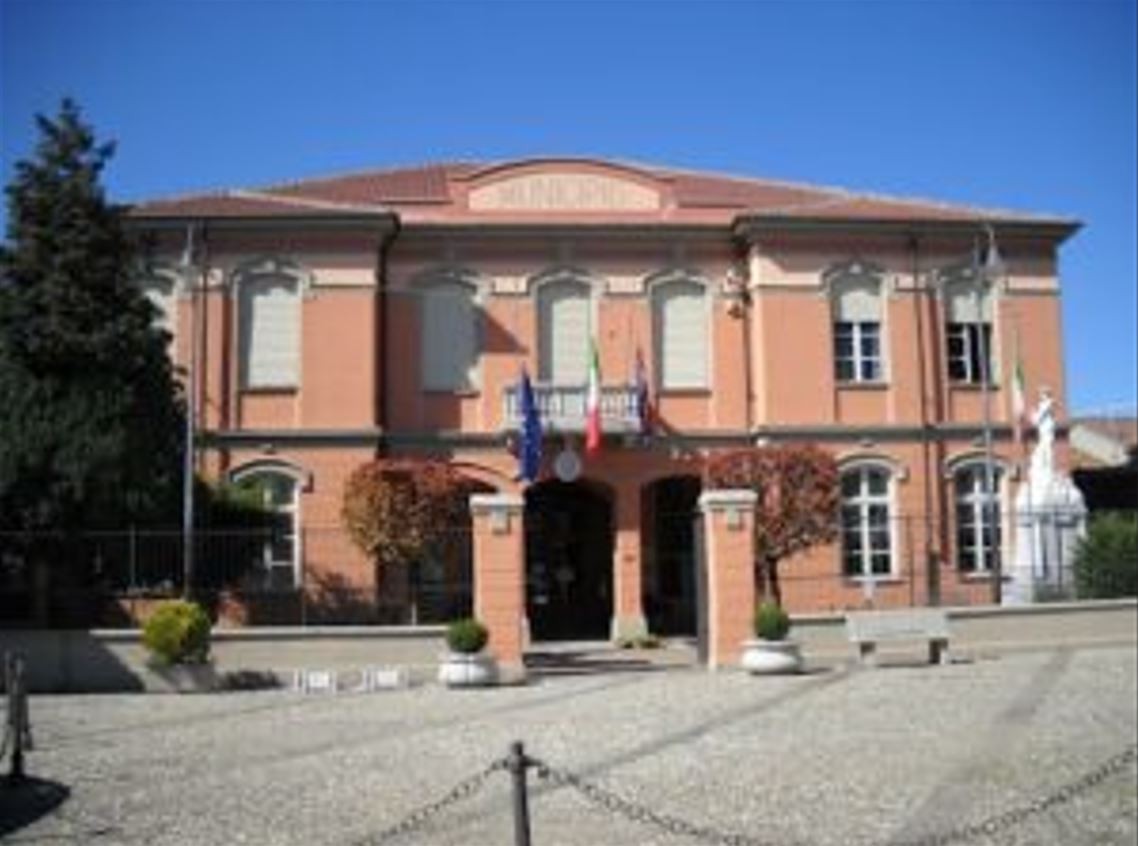
Comune Isola Sant'Antonio
Useful information for your stay
piazza Garibaldi, 1 - 15050 Isola Sant'Antonio (AL)
Tel. +39 (0131) 857.121
Fax: +39 (0131) 857.476
E-mail: sindaco@comune.isolasantantonio.al.it
https://comune.isolasantantonio.al.it/
The name Isola S. Antonio derives from the fact that, until a century ago, the area was surrounded by the waters of the Po, Tanaro, and Scrivia rivers. In ancient times, it was a collection of islands traversed by canals that, with each flood, devastated the surrounding countryside.
The main island was called S. Antonio, and this name was given because there was a chapel dedicated to the Saint. On this island, there were three hamlets: Inferno, Purgatory, and Paradise. In the middle was (is) Campo del Diavolo.
Where do the names of these places, with their Dante-esque charm, come from? The name Inferno appears for the first time in a document dated December 10, 1648: the term was likely coined in reference to the morphology of the place. The area, crisscrossed by dozens of canals and surrounded by woods, was frequented by bandits who preyed on and threatened the inhabitants.
Purgatory didn't have an easier time: it was entirely destroyed by the Po River, and its residents were forced to found a new settlement called Brusa Vecchia. Those who settled in... Paradiso fared better: they too, however, had to learn to coexist with the god Pluvio and the rivers, dealing with a reality that could change from day to day, but also with a fertile and rich land.
The first stable population dates back to 1545. The Isimbardi family sent a group of farmers to the island to cultivate and improve the land. At that time, the region was marshy and wild, surrounded by impassable forests, remote, and remote; the land was virtually uncultivated and devoid of trade. As late as 1799, it is said that some Russian soldiers, during their stay in Lomellina, attempted to pass through the island to plunder it: the inhabitants threw the soldiers into the river.
The definitive consecration of the name Isola Sant'Antonio took place in 1818, when the territory was elevated to a municipality by decree of the King of Piedmont, Sardinia, and Genoa, Victor Emmanuel I.
The municipality's territory also includes several scattered farmhouses named after saints: San Pietro and San Carlo, which owe their names to the fact that they were owned by religious orders.


- Home
-
-
- Events calendar
-
-
Areas of interestAccomodation
- Photographic Archive
-
-
-
-
Tourist information
