
Castello dei Paleologi e Museo Archeologico
History and Culture
via Morelli, 2 - 15011 Acqui Terme (AL)
https://www.acquimusei.it/
Tel. +39 0144.575.55
E-mail: info@acquimusei.it
http://www.acquimusei.it
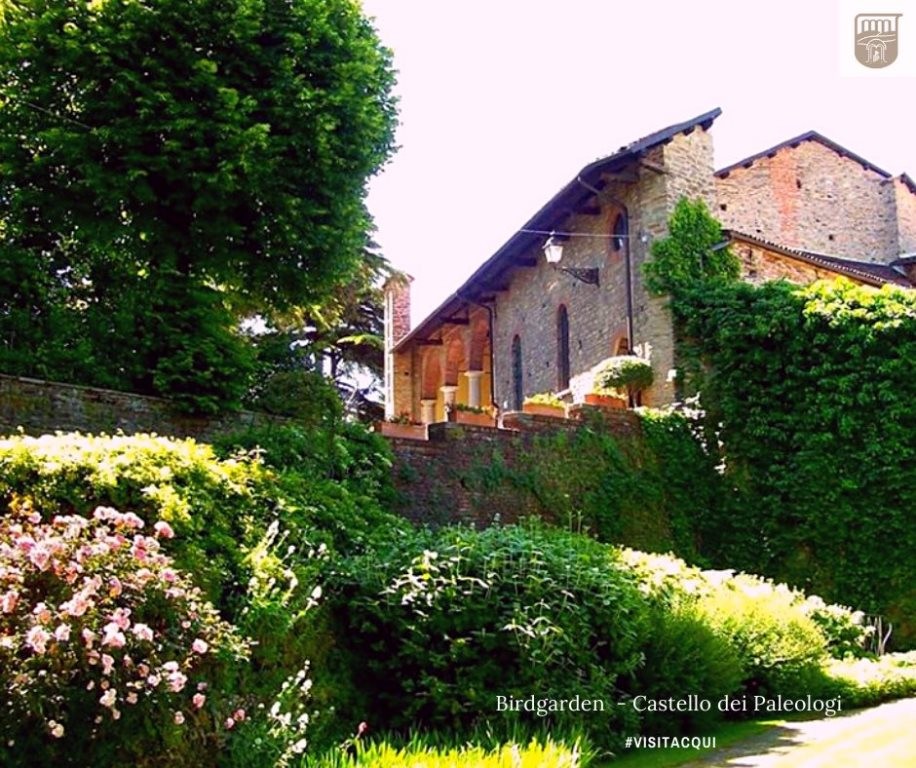
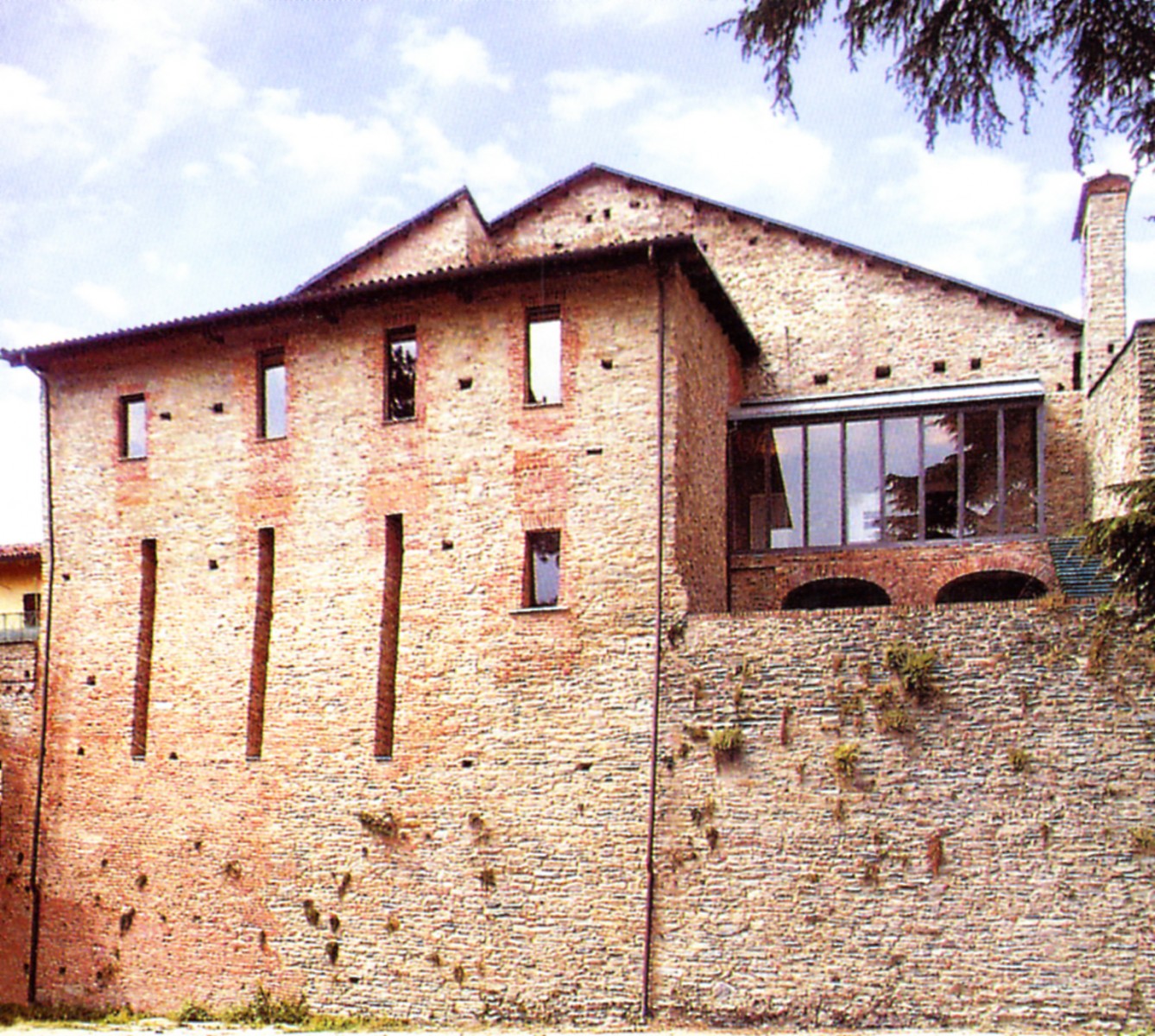
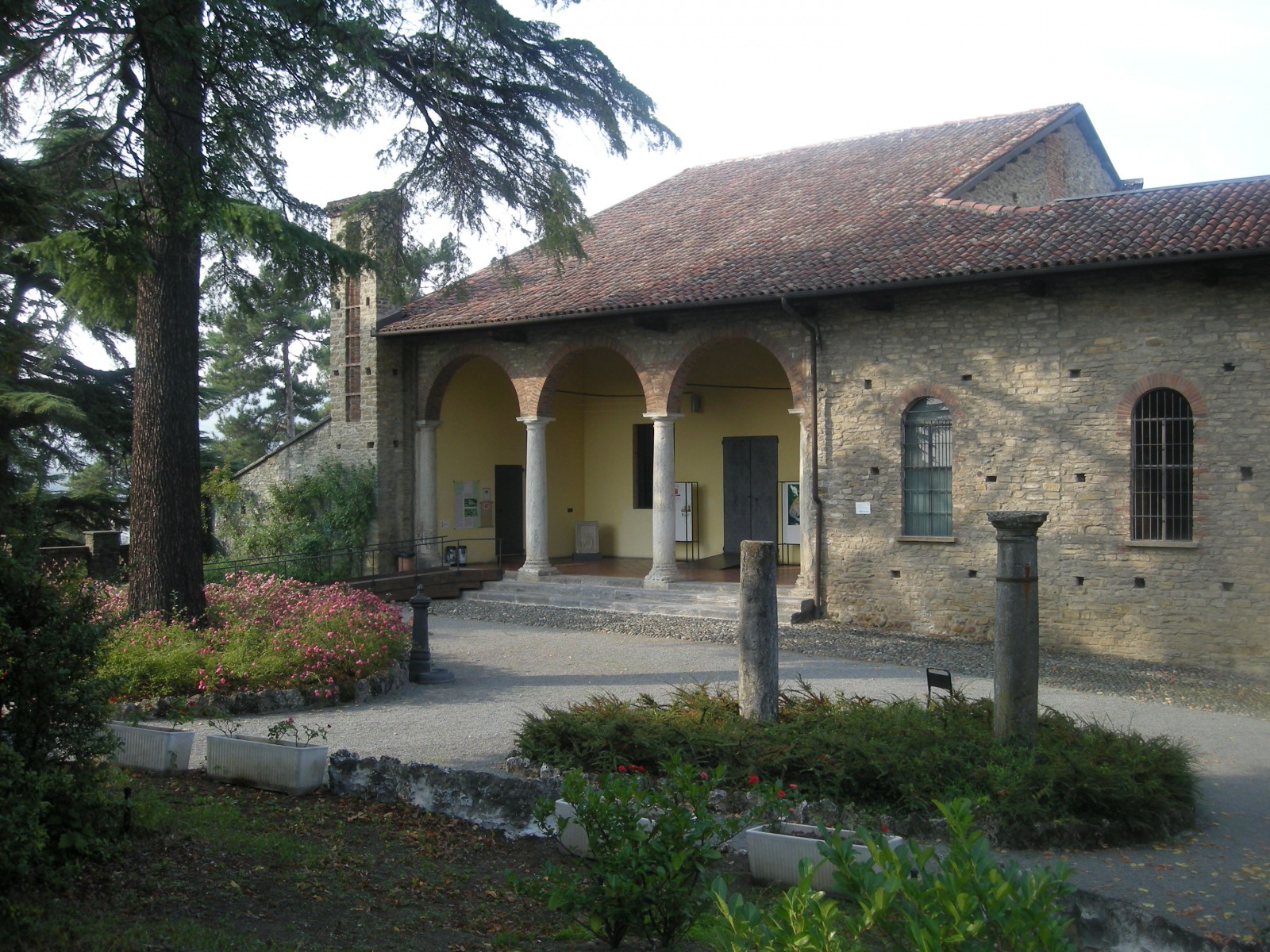
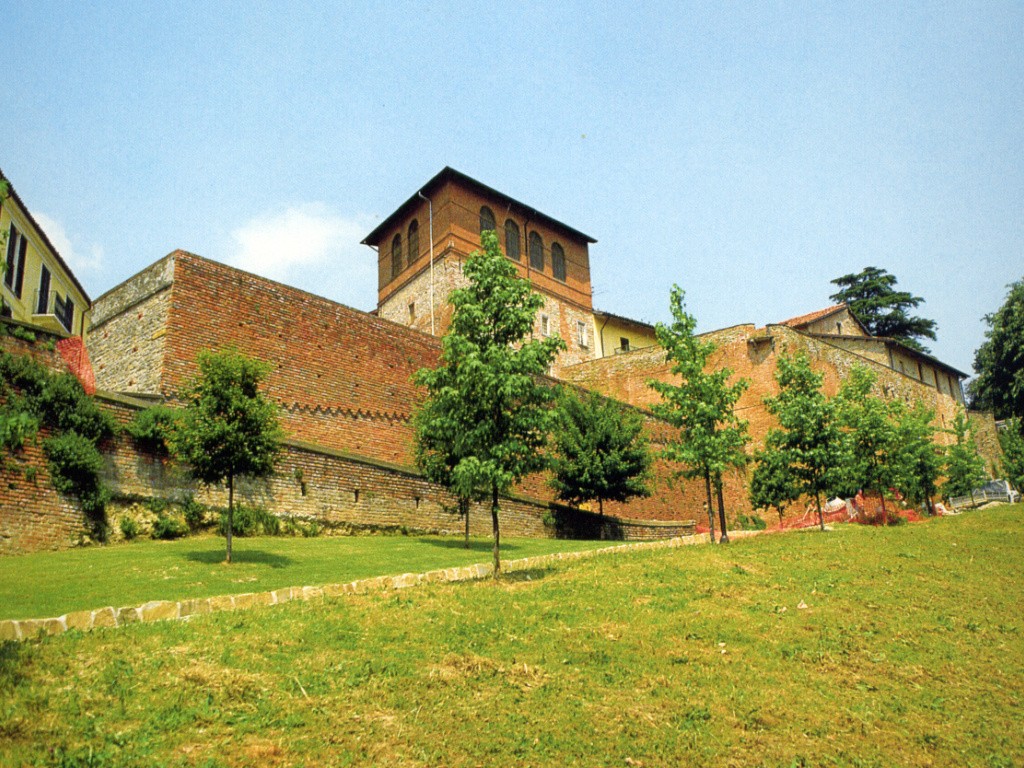
The Paleologi Castle (second half of the 15th century), the historic residence of the Marquises of Monferrato, houses the Civic Archaeological Museum. The building has very ancient origins; legends tell of an earlier structure dating back to the late Roman era, destroyed by the Huns in 452 AD. It was later rebuilt in the Middle Ages as the seat of temporal power and the residence of the bishop-count. During the siege of Charles I of Anjou, it was partially destroyed and passed into the hands of the Aleramici Marquises. In 1430, the city of Acqui Terme and its castle were conquered by the Sforza family. With the return of the Marquises of Monferrato, the castle was rebuilt and used as a military stronghold. It was besieged by the Spanish in 1647 and by the French in 1747.
Today, the castle is home to the Civic Archaeological Museum. The new exhibition dates back to 2001 and allows visitors to follow a historical journey from prehistory to the Middle Ages. It is impossible to reconstruct its ancient appearance; after several sieges that severely damaged it, it was completely destroyed. The exhibition is divided into three sections (pre- and protohistoric, Roman, and medieval) with numerous artifacts documenting the history of the settlement of the Acquese area. The first two rooms are dedicated to prehistory and protohistory, with chipped flint artifacts (Paleolithic and Mesolithic: 120,000-8000 years ago), polished greenstone axes (Neolithic: 5750-3500 BC), ceramic finds, and metal tools from the Bronze Age (2200-900 BC) and the Second Iron Age (475-173 BC); the latter illustrate the indigenous culture of the Liguri Statielli and the process of Romanization of the area. The Roman section is the museum's most important section, illustrating the many facets of life in ancient Aquae Statiellae (1st century BC–3rd century AD). The rooms display grave goods from tombs discovered along the ancient Via Aemilia Scauri; stone stelae and funerary markers, such as that of Caius Mettius, portraying the young deceased with his parents; architectural decorations (capitals, antefixes, cornices), mosaics, sculptures, and frescoes from public buildings and private homes, as well as a selection of the dozens of amphorae discovered on Via Gramsci, which testify to the city's intense commercial traffic. At the center of the room dedicated to urban planning and architecture is a reconstruction of the large Bollente fountain, carved from blocks of white marble and unearthed in the late 19th century. The Late Antiquity and Medieval period is illustrated by the funerary epigraph of a Christian magistrate (early 5th century AD), by funerary objects from the Lombard period and by a selection of ceramic materials (13th-14th century) from investigations recently conducted in the historic centre of Acqui Terme.


- Home
-
-
- Events calendar
-
-
Areas of interestAccomodation
- Photographic Archive
-
-
-
-
Tourist information
